
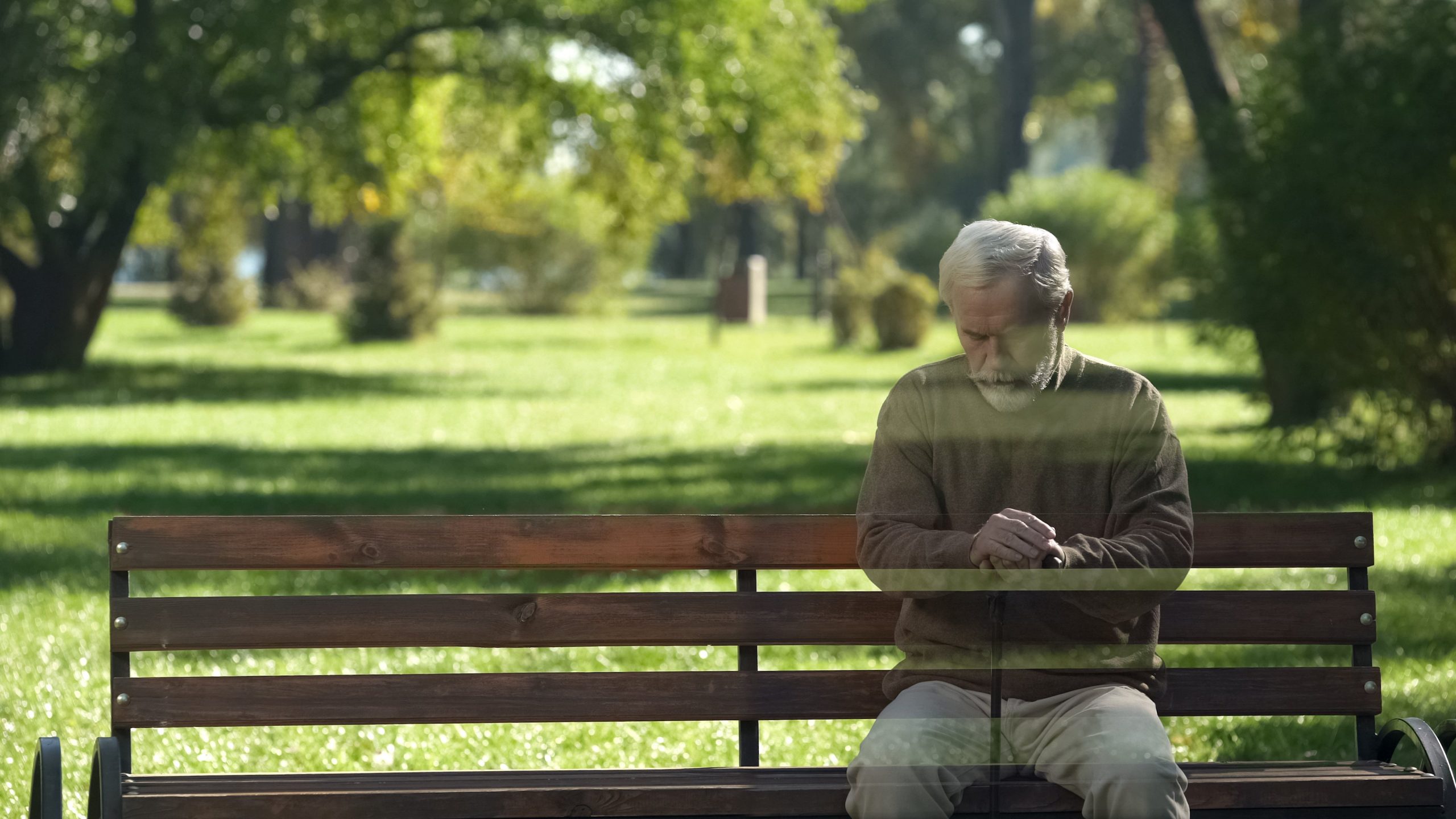
This is an as-told-to essay from Owen R., shared with The Growing Home and edited for clarity and flow.
I had the kind of retirement people congratulate you for. I had the paid-off bungalow in Oak Park, Illinois, the tidy savings account, the good blood pressure, the new patio chairs and a garage so organized it looked like a Home Depot display. For years, I pictured retirement as a long exhale. I imagined coffee on the porch, Cubs games on weekday afternoons and the deep relief of never hearing the Outlook notification ding again.
For a little while, that picture held. I slept later. I walked to the Starbucks on Lake Street with a newspaper folded under my arm. I took my time in Trader Joe’s and stood in the produce aisle reading labels as if I were on vacation in my own life. When people asked how retirement was going, I smiled and said, “It’s treating me well.” At the time, that was true.
Then the shape of my days changed in a way I had never prepared for. My phone stopped lighting up with questions from Sarah in accounting and Luis in shipping. Nobody needed a decision from me by 10 a.m. Nobody cared whether I had signed off on the delivery schedule or called the vendor back. The house was quiet in a way that felt polished at first, then eerie.
I’m divorced and my grown kids live far away, my daughter in Austin, my son in Seattle. We talk and they love me. Still, daily life has its own kind of intimacy and I had less of that than I realized. There was a Tuesday in my fourth month of retirement when I looked up from my kitchen table around noon and felt a wave of panic. If I left the house and never came back that day, who would notice before dinner time?
I’ll be honest, that thought shook me. You can have comfort and still feel emotionally unmoored. You can have a lovely home and still feel like your life lost some of its outline. Once I admitted that to myself, I could finally see what had happened. I had prepared my finances with care. I had prepared my identity with almost none.
1. The first month felt like a reward
The first month really did feel like a reward. I made pancakes on a Wednesday because I could. I drove to Costco at 10 a.m., which used to feel impossible when I was working in downtown Chicago. I watched sunlight move across my living room floor and thought, This is what all those years were for. After 34 years as an operations manager for a medical supply company, I felt I had earned every quiet minute.
There was a sweetness in having no alarms and no rush. When you have spent decades living by calendars, meeting agendas and traffic reports, free time lands on your shoulders like warm water. I had house projects lined up in a yellow legal pad. Repaint the guest room. Rehang the back gate. Replace the faucet in the upstairs bathroom. My days looked full enough from the outside.
I remember when I finished the last big item on that list, earlier than expected. It was only week three. I stood in the hallway holding a screwdriver and felt strangely disappointed. I had treated chores like a bridge into retirement and the bridge ended fast.
Later, while reading a purpose-driven life piece from Harvard Health, I came across Dr. Eric S. Kim’s words: “There have been a number of studies suggesting that a higher sense of purpose in life is associated with reduced risk of early death.” That line hit me because I had spent years focusing on money, maintenance and freedom. I had given far less thought to a reason to get up besides comfort.
If you are close to retirement, you may know this stage already. The first month can feel like a honeymoon. Rest matters. Recovery matters. Your body and mind may need that softer pace. At the same time, rest reaches its full value when it sits beside meaning.
2. Then my empty calendar started talking
By month two, the silence became more specific. It had a voice. It sounded like my empty calendar. I would open it on my phone out of habit and there would be nothing there except a dentist appointment three weeks out and my daughter’s birthday reminder. A blank page can feel luxurious for a while. Then it starts asking questions.
There was a morning when I drove into Chicago simply because I missed movement. I parked near the river, bought a coffee I did not need and watched office workers hurry past in loafers and sneakers. Everyone seemed to be heading somewhere that mattered. I felt like I was standing outside a building I used to belong to.
The thing is, structure does more for you than fill time. Structure tells you where your attention belongs. It creates little proofs that your presence matters. When those proofs disappear all at once, your nervous system notices. You may call it boredom at first. You may call it laziness. A deeper word is dislocation.
My friend David once told me that retirement reveals the difference between time off and a life pattern. He was right. At work, Tuesday had a personality, Wednesday had pressure and Friday had release. At home, every day began to feel like Sunday afternoon around 4 p.m.
When I finally found language for that ache, it came from an NIH article on care and connection. Dr. Steve Cole, an NIH-funded researcher at UCLA, said, “You can feel lonely in a room full of people.” I had felt exactly that in crowded grocery aisles, at neighborhood events, even while talking on the phone with family. The missing piece was felt connection, the sense that your life touches other lives in a regular, living way.
Once I understood that, I stopped judging myself so harshly. I was not failing at retirement. I was listening to a real human need. If you have ever looked around your perfectly decent life and still felt lonely, you are responding to something important inside you.
3. I had built my identity around being useful
It took me a long time to realize how much of my self-respect came from being useful. At work, people came to me with shipping delays, staffing gaps, vendor mistakes and software headaches. I was the one who stayed late when the order system crashed. I was the one who remembered which hospital needed delivery first after a snowstorm. People thanked me, relied on me and sometimes annoyed me. I loved more of that than I admitted.
At home, I carried the same habit. When my kids were younger, I was the dad who knew how to fix the garbage disposal and compare insurance plans. Even after the divorce, usefulness remained my strongest language. If my daughter in Austin needed help reading a car repair estimate, I felt calm. If my son in Seattle wanted advice on mortgage paperwork, I felt engaged. Service gave me shape.
Years ago, I would have said I simply had a strong work ethic. That was part of it. Another part was identity. I had woven my value into performance so tightly that I could barely tell them apart. When the job ended, the role ended too and I felt the drop all the way to my chest.
Harvard Health quoted gerontological social work professor Cal Halvorsen saying that many older men lose the connection between work, status and self-worth in retirement and that “Work can help them renew their sense of meaning and purpose.” I read that sentence twice. It explained why I kept inventing errands and offering help nobody had asked for. I was trying to find my reflection again.
I admit I became a little unbearable for a stretch. At a family FaceTime call, I jumped in with advice before anyone finished telling the story. At my neighbor Carmen’s house, I started explaining how she should trim her rosebushes when she had only asked if I wanted iced tea. Underneath that behavior was fear. I wanted proof that I still had a function.
If this sounds familiar, be gentle with yourself. Usefulness is a beautiful instinct. It only needs a wider home. Retirement can become that home if you let your value expand beyond a job title and a paycheck.
4. Why retirement can bring loneliness to the surface
There was a block party on my street in late summer and it should have felt cheerful. Kids chased each other with sidewalk chalk on their knees. Somebody brought Italian beef from a place in Elmwood Park. A Bluetooth speaker played Earth, Wind & Fire. I stood there with a paper plate in my hand and felt like a guest at my own life.
That feeling surprised me because I was technically around people. Social contact and true connection are close cousins, yet they do different jobs. One gives you activity. The other gives you belonging. Retirement can strip away the second one very quickly because work often supplies casual contact, repeated faces, shared goals and daily accountability without you realizing how much those things matter.
The National Academies has pointed out that adults over 50 often face risks that can deepen social isolation and loneliness, including living alone, losing family or friends and dealing with health changes over time. Those risk factors do not arrive with a dramatic soundtrack. They creep in quietly, through a more silent house, fewer routine conversations and a week that leaves no trace when it ends.
Dr. Steve Cole’s work helped me see another piece of it. In that same NIH discussion, he explained that pursuing a meaningful goal often requires cooperation and that shared effort brings people together. I could see the truth of that in my own past. I did not bond with coworkers because we shared a building. We bonded because together we had something to solve by 5 p.m.
So when people say retirement is a time to relax, I agree and I also think you need more than relaxation. You need a few live wires running through your week. You need somebody expecting you, somewhere to show up and some small way your effort improves another person’s day. Those ingredients keep loneliness from spreading out and taking over the room.
5. Pleasure filled my days, purpose gave them weight
I had plenty of pleasant moments in retirement. I took myself to a matinee in Forest Park. I bought heirloom tomatoes at the farmers market. I sat on my back steps after rain and watched the yard steam in the sun. These were good moments and I am grateful for them. They simply floated away fast.
One Saturday, Carmen’s grandson came over with a flat bike tire and I helped him patch the tube in my garage. It took maybe twenty minutes. After he rode off down the alley, I felt more energized than I had after a whole week of leisure. That was when I began to understand the difference between feeling good and feeling anchored. Pleasure refreshed me. Purpose steadied me.
Dr. Eric S. Kim defines purpose as being directed and motivated by valued life goals and his comments stayed with me because they matched my experience. Enjoyment made retirement brighter. Meaning made it hold together. When your days contain something you care about deeply, your mind seems to organize itself around that thread.
A 2025 study drove that point home for me. Researchers Elliot M. Friedman, Patricia A. Thomas, Madison R. Sauerteig-Rolston, Lisa L. Barnes and Kenneth F. Ferraro looked at three waves of data from 9,808 adults age 65 and older. They found that less decline in purpose was associated with less decline in cognitive function over time. I am no scientist, but that finding felt deeply practical. Your sense of purpose shapes your mood, your habits and even the way your mind keeps moving.
My friend David and I talked about this over coffee one morning and he said, “So you’re telling me golf alone won’t save me?” We laughed, but he understood exactly what I meant. Hobbies are wonderful. Travel is wonderful. A beautiful retirement often becomes richer when it includes psychological purpose, some role that asks something of you and answers something in you.
If you are retired, ask yourself a simple question. Which parts of your week leave a mark on you after the day is over? For me, the answer was never the most comfortable hour. It was the hour when I mattered to someone else.
6. I started rebuilding purpose in small ways
I did not transform my life overnight. I started embarrassingly small, which turned out to be exactly right. I signed up to help twice a week at the Oak Park Public Library’s used book room. I told myself I could quit if I hated it. That little escape hatch made it easier to begin.
On my first day, I spent an hour sorting donations with a retired teacher named Marlene, who wore bright blue readers on a chain and knew half the neighborhood by name. We talked about thrillers, grandkids and why everybody donates old tax guides. I went home with sore feet and a lighter mood. For the first time in months, my day had edges.
Harvard Health’s working during retirement article gave me words for why that shift felt so strong. Cal Halvorsen said, “Volunteering offers multiple benefits that working provides, such as social interactions, physical movement, mental stimulus and perhaps most importantly, establishing a person’s sense of purpose.” The same article notes that 50 to 199 hours of volunteering a year, about one to four hours a week, was linked to health benefits for retirees. That range felt doable and doable was exactly what I needed.
There was a time when I thought purpose had to arrive in some grand second act, maybe a consultancy, a nonprofit board seat, or a big mission statement I could print and tape to the fridge. My real life improved through smaller doors. A library shift. A standing coffee date. Driving Carmen to physical therapy once a month. Calling my son every Sunday at the same time instead of “whenever this week gets quiet.”
If you are searching for your footing, start where your energy can honestly carry you. Pick one thing that uses your hands, your attention, or your care. Start small on purpose. Small commitments grow roots. Roots are what make a life feel lived in.
7. The routines and people that gave me shape again
What changed me most was not one dramatic breakthrough. It was repetition. Tuesday mornings became library mornings. Wednesday afternoons became coffee with David at Starbucks. Thursday evenings, I joined a community walking group that looped through the neighborhood and ended near Scoville Park. Friday mornings, I called my daughter before she headed into her office in Austin. My week slowly stopped feeling blank.
I remember when the barista started saying, “The usual, Owen?” without checking the cup. That tiny recognition warmed me more than I want to admit. Being known in small ways can restore a lot. It reminds you that your life leaves impressions in the world.
Dr. Steve Cole’s point about shared goals stayed with me too. He said that when you pursue an important goal, “That helps bring people together.” I saw that everywhere once I had structure again. The librarians were not just shelving books. We were helping families find cheap reads and retirees find company. The walking group was not just counting steps. We were creating social rhythm.
My old instinct was to think in terms of big purpose, the kind that sounds impressive at a dinner party. Retirement taught me to respect ordinary purpose. Showing up matters. Following through matters. Sending the text, making the soup, giving someone a ride to Rush Oak Park Hospital, carrying folding chairs after the neighborhood meeting, all of that counts.
You may notice something else once routine returns. Your mind settles. You stop asking every morning, “What am I supposed to do with myself?” That is a tiring question. A few dependable anchors answer it for you. They reduce the friction of living.
But boy, was I wrong when I thought freedom meant having nothing fixed on the calendar. Freedom became sweeter when it lived beside commitment. These days, if I miss the Thursday walk, Carmen texts me. If I skip the library shift, Marlene asks if I am feeling okay. That is a humble kind of wealth and to me it feels enormous.
8. The questions I wish I had asked before I retired
If I could sit with the version of me who was counting down his final six months of work, I would ask him gentler and better questions. I would ask, who will need you on an ordinary Tuesday? What part of your week will still exist because you showed up? Which relationships will remain active without the office holding them in place?
I would also ask what role I wanted to carry forward. Problem-solver. Mentor. Organizer. Good listener. Steady neighbor. A career can hide these qualities inside a job description and retirement asks you to choose them on purpose. Your role can survive even when your title ends.
Years ago, I believed retirement planning meant numbers, insurance and where to keep the extra set of house keys. Those things matter and I am grateful I handled them. I wish I had also planned for belonging. I wish I had built one volunteer role before my last day at work. I wish I had protected two friendships with regular standing dates. I wish I had understood that being needed is part of my emotional nutrition.
If you are approaching retirement, give yourself permission to plan for joy and for usefulness. Think about your future week in concrete terms. Where will you go? Who will know your name? Who will notice if you are missing? Which skill of yours still wants expression? Those questions carry real power because they turn a vague future into a livable one.
I still love my house. I still love a slow morning and a free afternoon. The difference is that now my life has people in it who expect me and tasks in it that matter beyond my own comfort. The silence I felt in month four taught me something I needed to learn. A good retirement gives you rest. A meaningful retirement gives you a place in the human circle.