
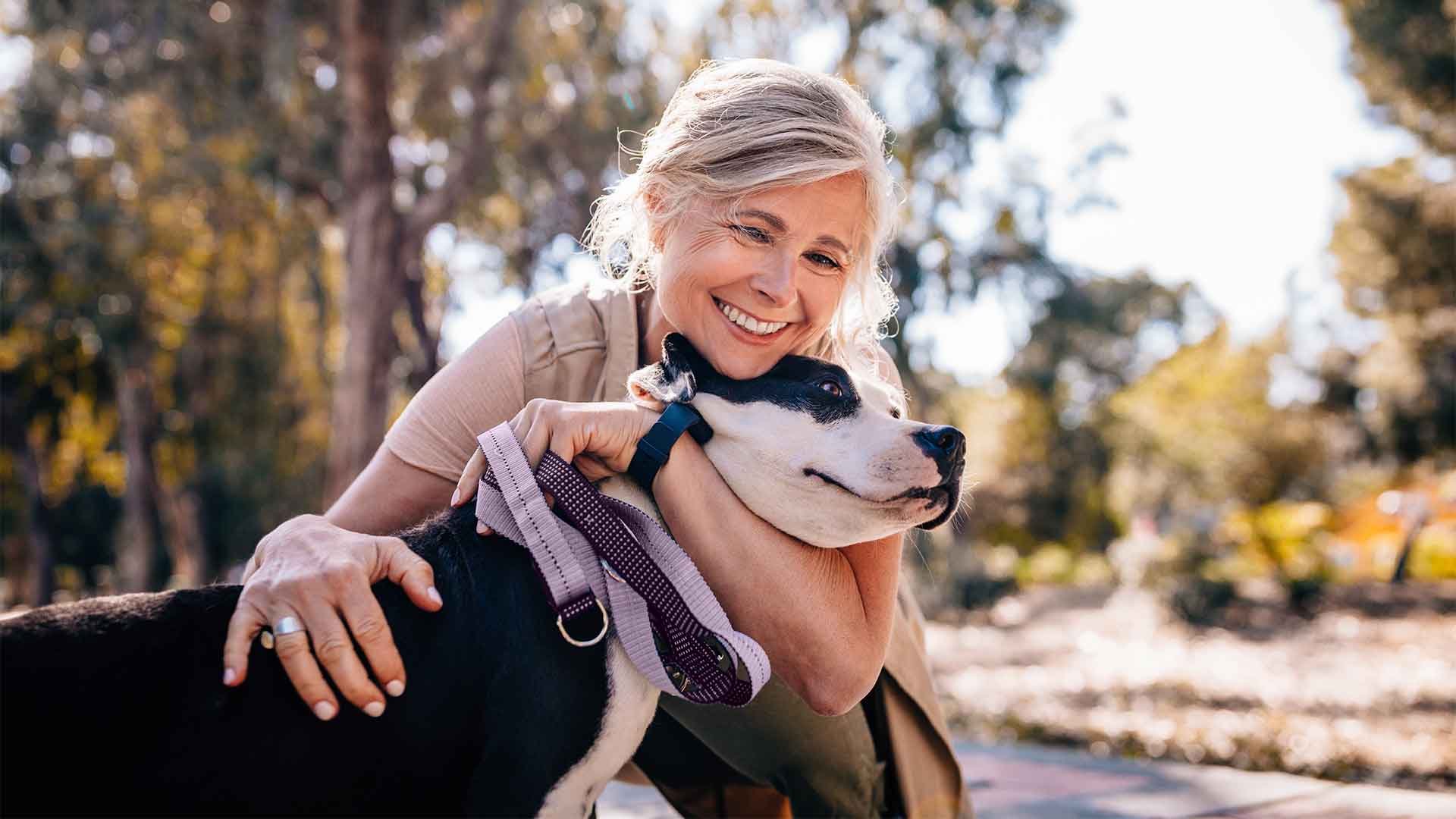
As told to The Growing Home by Ava R. and edited for clarity and flow.
I remember the first morning after retirement with painful detail. I woke up at 5:12, the same way I had for years when I was driving from Oak Park into downtown Chicago for work at Northwestern Memorial Hospital. My body moved before my mind did. I reached for my phone, checked emails that no longer needed me and stood in my kitchen in socks, staring at the coffee maker like it had forgotten its lines.
The thing is, I had done retirement the way responsible people are told to do it. I had the savings. I had the tidy condo. I had museum memberships, a half-planned trip to Seattle to see my daughter and a stack of books from The Book Table that looked very impressive on my side table. My coworkers gave me a crystal plaque, Sarah from accounting cried and everybody said some version of, “You finally get to enjoy your life.” I smiled and believed them.
For the first few weeks, I treated every day like a Saturday. I lingered over coffee. I wandered Trader Joe’s at 10 a.m. I bought pretty notebooks as if a better planner could hand me a better mood. Then the long middle of the day started to feel heavy. If you have ever lived by calendars, deadlines and the low-grade adrenaline of being needed, you know how strange it feels when the world stops asking anything of you.
Later, I found language for that feeling. Teresa Amabile writes about identity bridges, those small connections that help your working self and your next self recognize each other. I had retired from a title, a pace and a role that had shaped my days for decades. I had not built much of a bridge into the life that came after. That gap can feel wider than people expect, especially when your career has been a major part of your identity.
I admit, I was embarrassed by how lost I felt. Nothing was wrong on paper. That made it harder to explain. Friends in Austin and Seattle texted me beach photos and golf jokes and I answered with cheerful lies. I said I was “settling in.” What I meant was that I was drifting. Eleven months passed that way and some days I felt like I had become a very polished ghost in my own life.
Then, on a gray Saturday, I walked into PAWS Chicago and met a dog who was shaking so hard I could see it in his ribs. I thought I was there to browse. I thought I needed a project, maybe a companion, maybe something warm in the house. But boy, was I wrong. What I needed was being needed and that dog was about to teach me the difference.
1. The first morning after retirement
I had imagined my first morning of retirement would feel cinematic. Sun on the counter. Good coffee. A sense of earned ease. Instead, it felt like missing a stair in the dark. I kept hearing phantom reminders in my head, budget meeting at nine, staffing review at eleven, call back the vendor before lunch. By 8:30, I had showered, dressed and nowhere to be.
Years ago, when I was still in my fifties, retirement looked like freedom from stress. That is part of it, of course. You do lose the frantic commute, the inbox, the pressure to perform for people who love the phrase “circle back.” You also lose the shape of your day. That shape matters more than most of us realize, because daily structure does quiet work in the background. It holds your habits together. It keeps your mind from wandering into every empty room.
I spent that first day doing little jobs that felt suspiciously urgent. I reorganized a kitchen drawer. I wiped down shelves. I walked to Starbucks on Lake Street and sat by the window with an oatmeal and coffee I did not even want. Everyone around me seemed to be in motion, students with backpacks, a woman in scrubs, a guy tapping on a laptop. I felt like I had stepped out of the stream and onto a bank nobody had prepared me for.
If you retire after decades of being useful in visible ways, your nervous system can keep looking for the next demand. Mine did. By afternoon, I was restless and oddly tired. That combination can sneak up on you. You are physically free, yet emotionally braced. I think a lot of people call that freedom, because it sounds noble. I experienced it as drifting days.
There was a time when I thought gratitude would fix that feeling. I kept telling myself to appreciate the privilege of rest. Gratitude helped me stay grounded and it did not give me direction. Direction comes from commitment. It comes from waking up with a reason to move toward something. I just did not know that yet.
2. When my title stopped holding me up
It took me a long time to realize how much of my self-respect had been hanging from my job title. I had spent 32 years in hospital administration. My work was demanding, often thankless and deeply woven into who I thought I was. At parties, people asked what I did and I had an answer ready in three seconds. After retirement, that same question made my chest tighten.
One Tuesday, a man at Whole Foods in River Forest asked if I was still working and I heard myself say, “I used to be with Northwestern.” Used to be. That phrase followed me around for weeks. It sounded smaller every time I said it. You might think retirement gives you a clean slate. I found that it first asks you who you are without the label that used to open the conversation.
My friend David once told me, over eggs at Blueberry Hill, that most people think they will miss the money or the office gossip. He said what they really miss is recognition. I laughed when he said it, then went home and sat with it. Recognition can be loud, like awards and promotions. It can also be tiny and daily, like people asking your opinion, needing your approval, or trusting you to solve the thing nobody else can solve. Losing that can trigger a quiet identity shock.
That is why the idea of retirement as a permanent vacation never fit me. Vacations work because they end. Real life still waits for you at the gate. Retirement asks for a different internal structure. You have to build meaning on purpose and for a while, I had no clue how to do that.
I started reading more about purpose and aging because I wanted proof that I was not failing some secret happiness test. Patrick Hill, a psychologist at Washington University in St. Louis, said it in a way that landed with me: “Having a sense of purpose seems to be valuable for health and well-being.” When I read that, I felt strangely relieved. My fog had a shape. I was missing purpose after retirement and my mind knew it before I did.
So I tried to manufacture purpose in neat, respectable ways. I joined a yoga class. I signed up for a book club in the city. I downloaded a language app and briefly convinced myself I was becoming the kind of woman who studies Italian before breakfast. Some of it was pleasant. None of it held me. Purpose usually grows where your heart has skin in the game. Mine was still numb.
3. The shelter dog who picked me
I remember when Sarah, the same Sarah from accounting who cried at my retirement lunch, suggested I come with her to PAWS Chicago. She said she was dropping off blankets and thought I might enjoy looking around. I said yes because I had learned that empty days need appointments, even small ones. I wore my camel coat, bought us coffee on the way and told myself I was just going to look.
The shelter smelled like detergent, kibble and nervous hope. Some dogs barked with full-body enthusiasm. A few pressed their paws to the kennel doors as if they were interviewing for the job of your next chapter. Then I saw him in the back. He was a medium-sized mutt with sandy fur, one white paw and a tremble that never fully stopped. His card said “Benny,” age five, transferred from another facility downstate.
He did not leap. He did not sell himself. He came close enough to sniff my hand, then lowered his head and leaned the slightest bit into my knee. I felt it all at once, his fear, his effort, the tiny bravery of staying near me while his whole body shook. You can call that projection if you want. I called it recognition.
At first, I resisted. I told the volunteer I wanted something easier, maybe older, maybe calmer, maybe already house-trained. She nodded in that knowing shelter way and said Benny was gentle, smart and overwhelmed. I heard myself ask what he needed. The answer was simple, routine, patience, safety and time. I had all four sitting unused in my life.
If you have ever cared for an anxious animal, you know the strange humility of it. Your feelings stop being the center of the room. That shift can be healing. I signed the papers three days later, bought a bed at Petco, picked up a leash in forest green and drove home with Benny curled into the farthest corner of the back seat. Every few minutes, I looked in the mirror to make sure he was still there. Every few minutes, he looked back.
4. How caring for him rebuilt my days
The first week with Benny was a master class in small routines. He woke at 6:00. He needed breakfast at 6:15. He would only go out if I walked him past the same brick apartment building, the same little patch of grass, the same blue recycling bin near the alley. He did not care whether I felt inspired. He cared whether I clipped on the leash and showed up.
I had not expected how quickly that would steady me. A qualitative study by Genieve Zhe Hui Gan, Anne-Marie Hill, Polly Yeung, Sharon Keesing and Julie Anne Netto found that pets can give older adults a meaningful role and create “purposeful routine and structure.” I felt those words in my body before I ever read them. Benny’s needs were ordinary and their ordinariness saved me.
My mornings changed first. Instead of lying in bed scrolling headlines, I was pulling on boots and stepping into the cold. Instead of wondering what the point of the day was, I was carrying poop bags and praising a dog for peeing outside like he had just won a Nobel Prize. There is something wonderfully grounding about care that is immediate and specific. It gives your mind fewer places to spiral.
Then the neighborhood opened back up to me. Benny drew people in. A retired teacher from down the block started carrying treats in her pocket for him. The barista at the Starbucks near Harlem Avenue learned his name before she fully learned mine. Dr. Steve Cole, in an NIH piece about how care can bring people together, said, “That helps bring people together.” I saw that happen on sidewalks, in pet store aisles and outside the vet with strangers who suddenly had stories to tell. Social connection returned to my life through a leash.
One rainy afternoon, Benny finally fell asleep with his head on my foot while I was reading on the couch. I started crying so suddenly that I startled myself. It was relief, mostly. For months, I had been asking life to hand me some large, inspiring answer. What I got was gentle responsibility. Feed him. Walk him. Sit with him through the shaking. Keep your voice calm. Try again tomorrow.
Purdue researcher Marguerite Edwards put it simply: “Animals give people a lot of meaning.” I would add that they give your love somewhere concrete to land. Benny did not care about my résumé. He responded to consistency, warmth and patience. Caring for him made me feel competent in a way that had nothing to do with performance reviews. That mattered more than I can fully explain.
5. The kind of purpose I almost missed
Years ago, if you had asked me what purpose looked like, I would have described ambition. I would have talked about leadership, goals, progress, maybe a team depending on me. I still respect that version of purpose. I also know now that it is only one version. A quieter form of purpose arrived in my life wearing a green leash and trembling in my hallway.
As I got steadier, my world grew wider again. I started volunteering twice a month at the shelter where I found Benny. I sat with anxious dogs. I folded towels. I talked to nervous adopters who looked exactly how I had looked, hopeful and scared at the same time. The National Institute on Aging has pointed to volunteer work and social engagement as linked with better cognitive health in older adults and I believe part of that comes from feeling woven into other people again. Late-life purpose often grows in community.
There was a time when I believed meaning had to be impressive to count. Then I came across work from Anne Colby and William Damon at Stanford on purposeful lives. Their line stayed with me: “The most fully satisfying meaning involves commitments that contribute to other people.” That sentence gave me a deep exhale. It explained why retirement had felt so flat when my days revolved around comfort alone. I needed contribution, even in small forms.
I think a lot of people make the same mistake I did. You picture purpose as one huge calling, the kind that changes your zip code or earns a standing ovation. Real life usually delivers it in smaller packages. It can be the dog who needs his medicine at seven. It can be checking on the widower in your building. It can be driving your neighbor to physical therapy, or mentoring the new volunteer who looks overwhelmed on her first shift. That is being needed in ordinary ways and it is powerful.
Now, when people ask how retirement is going, I give them the real answer. I tell them it took me nearly a year to understand that rest alone could not hold me. I tell them Benny rebuilt my days from the ground up. And I tell them this, because maybe you need to hear it too, your next chapter does not have to arrive with a title. Sometimes it shows up trembling. Sometimes it asks for breakfast, a short walk and your whole heart. Meaning can return quietly and when it does, your life starts to sound like you again.